

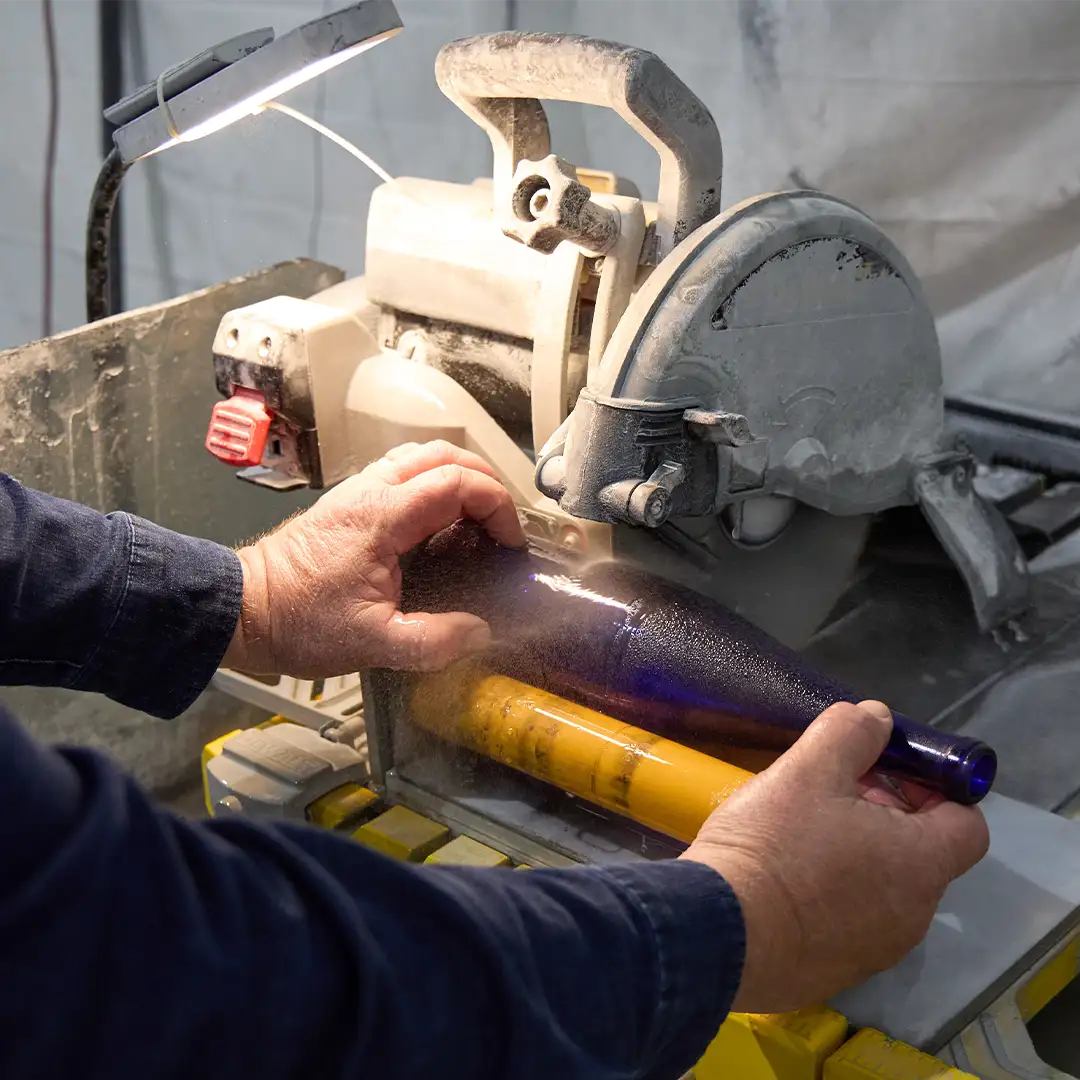
Every year, the world generates more than 2 billion tons of municipal solid waste, and that number continues to grow. While recycling has become a familiar way to reduce waste, there is another approach that keeps valuable materials out of landfills while creating something even more meaningful. That process is called upcycling.
If you've ever wondered what is upcycling or why so many environmentally conscious brands are embracing it, you're not alone. Understanding upcycling vs recycling can help you make more sustainable purchasing decisions while supporting products that have a lasting impact.
What Is Upcycling?
So, what is upcycling?
Upcycling is the process of transforming discarded or unwanted materials into products that have greater value, functionality or beauty than the original item. Rather than breaking materials down into raw components, upcycling preserves much of the original material while giving it an entirely new purpose.
For example, old glass bottles can become handcrafted drinkware, decorative home accessories or unique gifts instead of being crushed and melted down. This approach extends the life of existing materials while reducing waste and the need for new raw resources.
Simply put, upcycling means finding creative ways to give everyday items a second life instead of throwing them away.
Upcycling vs Recycling: What's the Difference?
Many people use the terms interchangeably, but there are important differences between upcycling vs recycling.
Recycling typically involves collecting used materials, processing them through industrial facilities and converting them back into raw materials before manufacturing new products. While this is beneficial, the process often requires significant amounts of energy, transportation and additional resources.
Upcycling takes a different approach. Instead of breaking materials down, existing items are transformed directly into something new. This usually requires less energy while preserving much of the original material.
Here is a simple comparison of the difference between upcycling and recycling.
| Upcycling | Recycling |
|---|---|
| Reuses existing materials directly | Breaks materials down into raw materials |
| Often increases an item's value | Typically restores materials for new manufacturing |
| Requires less industrial processing | Requires energy-intensive processing |
| Creates unique, one-of-a-kind products | Produces standardized materials for mass production |
| Keeps more original material intact | Alters the original material completely |
Both methods help reduce waste, but upcycling often provides additional environmental and creative benefits.
Why Upcycling Is Better Than Recycling
Although recycling remains an important part of sustainability, there are several reasons why upcycling is better than recycling in many situations.
It Uses Less Energy
Traditional recycling often requires transporting materials to processing facilities, cleaning them and melting or breaking them down before manufacturing new products.
Upcycling skips much of that energy-intensive process by working directly with existing materials.
It Reduces Waste
Many recyclable materials never actually get recycled due to contamination, collection limitations or market demand.
Upcycling gives materials another useful life before they ever reach a recycling center or landfill.
It Conserves Natural Resources
Every upcycled product reduces the demand for new raw materials. Instead of manufacturing products from newly sourced glass, metal, wood or plastic, upcycling makes better use of resources that already exist.
It Creates Unique Products
Unlike mass-produced goods, upcycled products often have their own character and history.
No two pieces are exactly alike, making them excellent conversation starters and memorable gifts.
It Supports Local Craftsmanship
Many upcycled products are handcrafted by skilled artisans rather than manufactured on large production lines. This supports small businesses while promoting thoughtful, sustainable production methods.
A Great Example of Upcycling
One of the best ways to understand upcycling is to look at everyday examples.
Glass bottles are frequently discarded after a single use. Through upcycling, those same bottles can become:
- Drinking glasses
- Whiskey tumblers
- Wine glasses
- Candle holders
- Serving pieces
- Personalized gifts
Rather than treating glass as waste, upcycling transforms it into products people can enjoy for years.
At A2Round, this philosophy is central to every collection. Used glass bottles are carefully cut, polished and transformed into handcrafted drinkware and gift sets that celebrate both sustainability and craftsmanship. Instead of creating more waste, each piece gives existing materials a meaningful second life.
The Environmental Impact of Upcycling
Choosing upcycled products can create positive environmental effects that extend beyond the individual purchase.
Benefits include:
- Reducing landfill waste
- Lowering demand for virgin materials
- Conserving energy
- Encouraging responsible consumption
- Supporting a circular economy where products remain in use longer
While no single purchase solves environmental challenges, choosing products made from reclaimed materials helps move consumption in a more sustainable direction.
Is Recycling Still Important?
Absolutely.
Understanding upcycling vs recycling is not about choosing one over the other. Both play important roles in reducing waste.
Recycling is often the best option when materials can no longer be reused in their existing form. Upcycling simply extends the useful life of materials before recycling becomes necessary.
The most sustainable approach usually follows this order:
- Reduce unnecessary consumption.
- Reuse products whenever possible.
- Upcycle materials into something new.
- Recycle materials when they can no longer be reused.
This approach helps maximize the value of every resource.
Make Every Purchase Count
Now that you know what is upcycling, it's easier to see why more people are choosing products made from reclaimed materials. Understanding the difference between upcycling and recycling highlights how thoughtful design can reduce waste while creating beautiful, functional products.
The next time you're shopping for drinkware, home décor or a memorable gift, consider choosing something with a story behind it. Upcycled products prove that yesterday's materials can become tomorrow's favorites, all while helping reduce waste and supporting a more sustainable future.
Raise a Glass to Sustainability
Every bottle has a story, and with upcycling, that story doesn't end after the last pour. Instead of becoming waste, reclaimed materials can become handcrafted pieces that are both practical and meaningful. Choosing upcycled products is a simple way to celebrate creativity, reduce environmental impact and give everyday materials an extraordinary second life.
Share:
Top Gifts for Wine Lovers Who Have Everything